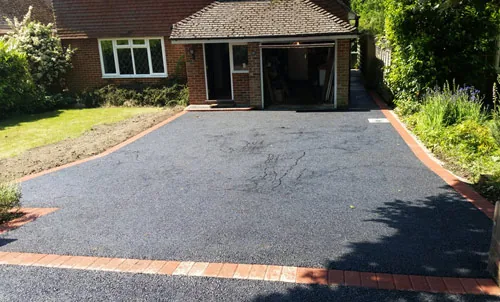
Start with the handover advice
For a newly laid driveway, follow the installer’s instructions about first use, vehicle loading and cleaning. A surface that looks ready may still need time before it can take the intended traffic. The material, weather and construction affect the advice, so there is no single waiting period that suits every driveway.
Before the team leaves, ask when you can walk and park on the surface, whether there are any short-term precautions, how drainage features should be maintained and who to contact if something changes.
A simple routine for any surface
- Sweep leaves and dirt before they build up, especially near drains and shaded edges.
- Check accessible channel grates and remove surface debris without dismantling covers or entering drains.
- Look at the driveway after rain. New puddles can reveal a blocked outlet or a change in level.
- Attend to spills promptly using a cleaning product approved for the surface. Do not wash oil or chemicals into a drain.
- Keep photographs of new cracks, dips or loose areas so changes can be compared over time.
Care by surface type
Tarmac
Use gentle cleaning methods and ask before applying solvents, strong chemicals or a surface treatment. Avoid dragging heavy equipment across the finish. On a new driveway, ask about point loads from stands or supports and turning vehicle wheels while stationary.
Loose material or cracking that continues to spread needs assessment rather than repeated cosmetic treatment.
Block paving
Keep joints in good condition as well as cleaning the faces of the blocks. Forceful washing can remove jointing material. Follow the paving supplier’s advice and replace lost jointing material with the correct type, particularly on permeable systems.
A sunken area needs its bedding and support checked; adding sand on top will not bring the blocks back to level.
Resin bound or bonded
First establish which system you have. Follow its manufacturer’s cleaning instructions and check compatibility before using a chemical cleaner or pressure washer. Brush away debris and keep outlets clear.
If aggregate is coming loose or the surface is cracking, ask for an inspection before covering it with another product.
Gravel
Rake displaced material back into place and keep it clear of paths, thresholds and drainage channels. Where stabilisation grids are fitted, check that the fill remains at the supplier’s recommended level.
If ruts return quickly, investigate the underlying support and use of the area before simply adding more gravel.
For product-specific paving advice, see Marshalls’ technical information. Use the guidance for your actual paving or resin system; a method suitable for one product may damage another.
When cleaning is not the answer
A persistent puddle, recurring pothole, loose edge or widening crack deserves a closer look. Cleaning can improve appearance, but it cannot repair movement underneath the surface or correct levels that send water towards a building.
Keep people and vehicles away from an area that appears unsafe, and arrange an assessment. When contacting us, include the age of the surface if known, photographs and whether the problem has changed after rain or heavy use.
Keep a small record of the driveway
Save the quotation, material details and handover instructions. A photograph of the completed work and occasional pictures of any developing problem make future conversations easier. If you are planning a new surface, ask for written aftercare advice as part of the handover.
Read about repairing or resurfacing a driveway, or drainage improvements if standing water is the main concern.
A practical year-round driveway care checklist
Different finishes require different products, but seasonal checks help you spot small problems before they spread. They take only a little time and are particularly valuable where fallen leaves, trees, frequent vehicle turning or shaded areas increase wear.
Spring
Clear winter debris, check edges for movement and look for any new low spots. Examine accessible drainage grates after heavy rain; photograph persistent ponding rather than assuming that more sweeping will fix it.
Summer
Remove oil and fuel spills promptly with a cleaner approved for the surface. Take care with concentrated vehicle loads and tight steering on hot asphalt, particularly if the surface is new.
Autumn
Keep leaves out of channels and away from joints. Cut back vegetation that traps moisture or obstructs drains, while avoiding aggressive scraping or damaging nearby edging.
Winter
Use non-damaging snow-clearing tools and check the surface maker’s guidance before applying de-icing products. Take care around ice, steep gradients and areas that repeatedly hold water.
Cleaning methods: start gently
For most driveways, a soft brush and appropriate mild cleaner are a sensible starting point. Test any treatment in an inconspicuous area and follow the product instructions. High-pressure cleaning used too close to the surface can dislodge jointing material from paving, expose aggregate in resin surfaces or damage weakened asphalt. Where specialist cleaning is needed, choose a method suitable for the exact finish and its condition.
For block paving, monitor jointing sand and weeds: washed-out joints may need replenishing with the specified material after the paving has dried. Resin bound and resin bonded systems are different; ask which finish you have before choosing a cleaning method. Gravel drives often need raking back into trafficked wheel tracks, but deep ruts may indicate a construction problem rather than a shortage of loose stone.
Warning signs that call for an inspection
- Cracks opening quickly or new depressions after rain.
- Edges dropping away from kerbs, paths or garage thresholds.
- Water flowing towards the building or standing for unusually long periods.
- Repeated potholes, loose blocks or areas that move under normal vehicle use.
- Spills that soften or visibly change the surface.
Record the date, location and photographs of any change. Avoid attempting a quick surface cover-up over a moving or water-damaged area. Our repairs and resurfacing guide explains what an inspection may find, while drainage solutions covers the water-management options.